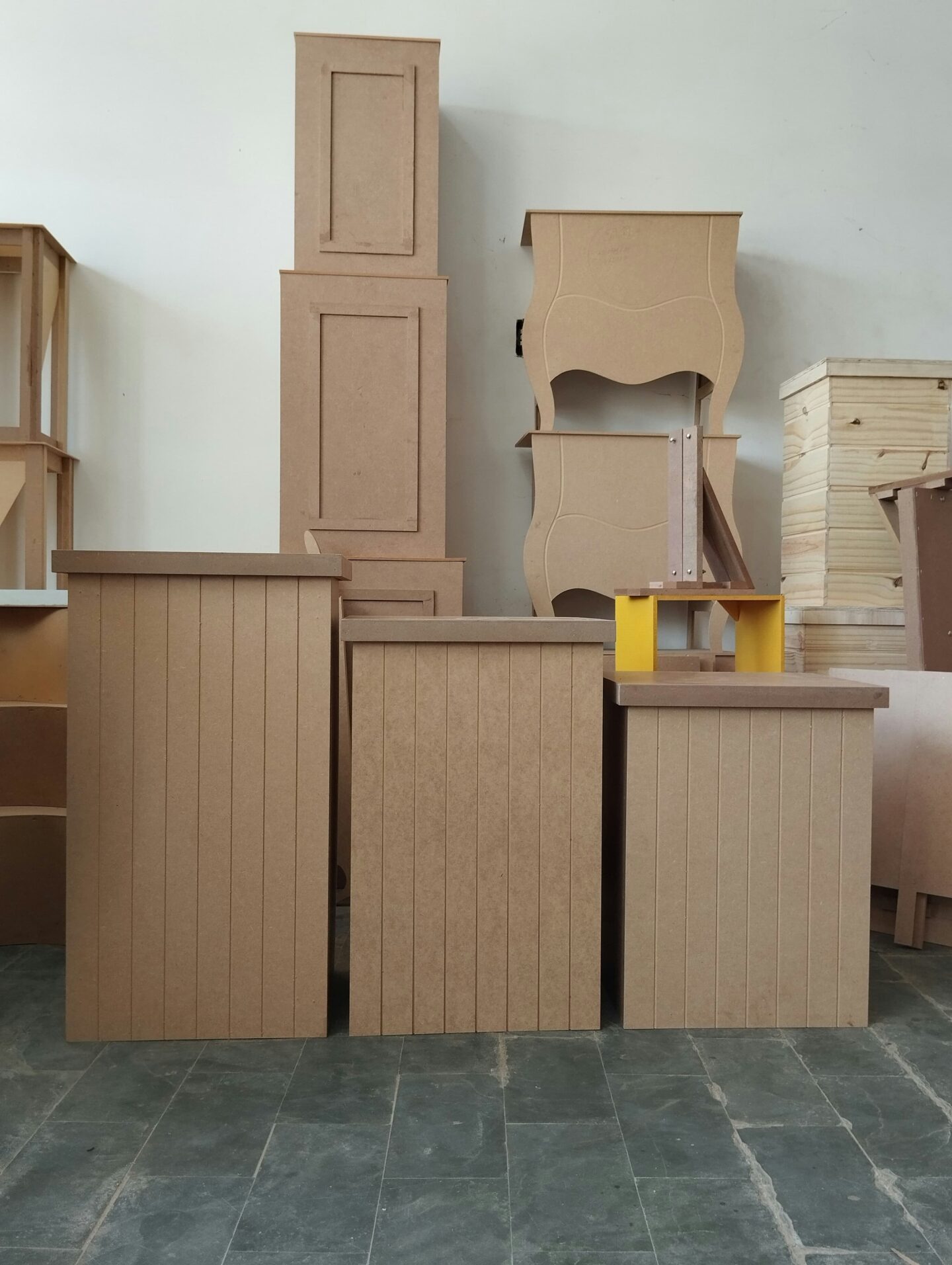
Timber and antique furniture. Wood is hygroscopic, so it absorbs moisture from humid air and releases it as the air dries. Repeated swelling and shrinking cracks joints and lifts veneer. Antiques carry more risk, because they’re no longer in production and often expensive to restore.
Leather lounges, jackets and bags. In damp conditions, mould feeds on the natural oils in leather, leaving a musty smell and staining. In dry conditions, leather loses moisture, stiffens and cracks. Either way, the surface never fully recovers.
Electronics and appliances. Humidity condenses on circuit boards and corrodes solder joints and connectors, sometimes causing short circuits. Cameras and lenses can develop internal fungus. Dry air brings its own risk too, through static damage to sensitive components.
Photographs, negatives and documents. Paper absorbs and releases moisture the same way wood does. Too much humidity causes mould and cockling, or pages sticking together. Too little makes paper and photo emulsion brittle. Older film can also break down and release an acidic odour as it ages.
Artwork on canvas. Humidity is the biggest threat to an oil painting. Canvas loosens in humid air and tightens as it dries, and that cycle cracks and flakes the paint over time. Sudden drops in humidity are more damaging than a gradual change.
Musical instruments. Guitars, violins and pianos are built from wood at a controlled humidity, and they need a similarly stable environment in storage. Low humidity shrinks and cracks the timber; high humidity swells it and throws out the tone.
Vinyl records. Heat softens PVC, and records stored upright or stacked in a hot unit can warp. High humidity encourages mould on paper sleeves and covers.
Clothing, linen and other natural fibres. Wool, silk and cotton are prone to mould and mildew in humid conditions, and stored fabric that isn’t completely clean and dry attracts moths and silverfish.