



Seasonal Storage: Where to Keep Sporting Gear, Camping Kit and Holiday Decorations Year-Round

Most homes have a rotation of belongings that are only needed for part of the year. Ski jackets and snow gear come out for a few weekends in winter. Tents, swags and camping chairs get packed for summer trips. Christmas decorations appear for a month and then need somewhere to live for the other eleven.
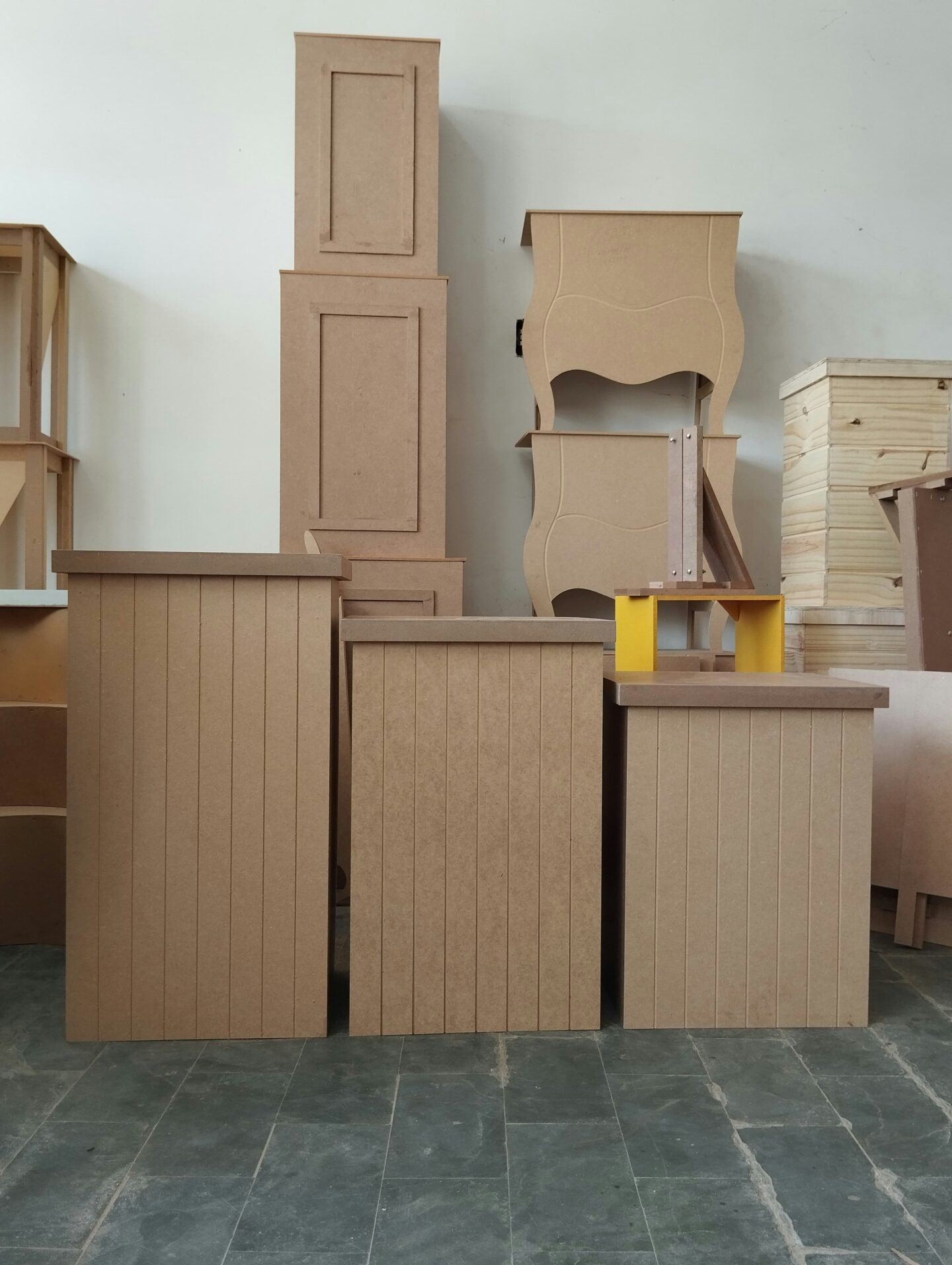
Furniture packing for storage

The rest of the time, these items take up room in garages, spare bedrooms and hallway cupboards that could be used for something else. Seasonal storage gives them a dedicated place, so your home is set up for the season you are actually in.

Below, we look at how to store seasonal items properly, how to organise seasonal storage so things are easy to find again, and when a self storage unit makes more sense than squeezing everything into the house.
In this article

What counts as a seasonal item?

A seasonal item is anything you use heavily for a few months and barely touch for the rest of the year. For most Melbourne households, that includes:

  • Winter sporting gear such as skis, snowboards, boots and snow clothing
  • Summer sporting gear such as surfboards, wetsuits, cricket kits and bikes used for summer rides
  • Camping kit, including tents, swags, sleeping bags, camp kitchens and eskies
  • Christmas trees, lights, wreaths and other holiday decorations
  • Outdoor furniture, umbrellas and pool equipment
  • Heaters, fans, electric blankets and bulky seasonal bedding
  • Off-season clothing and footwear

Spring is a good time to take stock. Winter gear is finished for the year, summer equipment is about to come out, and the Christmas decorations will be needed in a few weeks. Sorting it all at once means you only handle each item once.

How to store seasonal items so they last

Good seasonal storage protects items while they are out of use, so they are ready to go when you need them again.

Clean and dry everything first

Dirt, salt, sunscreen and moisture cause most of the damage to stored gear. Wash and fully dry tents, wetsuits, snow clothing and sleeping bags before packing them away. A tent packed damp after a final trip can develop mould within weeks.

Use sturdy, sealed containers

Plastic tubs with fitted lids keep out dust and pests better than cardboard, and they stack more safely. Clear tubs make it easier to see what is inside without opening every box.

Store long items flat or upright

Skis, surfboards, fishing rods and folded tent poles hold their shape better when they are supported along their length. Wall racks or upright storage keep them off the floor and stop heavier items being stacked on top.

Protect fragile decorations

Wrap glass baubles in tissue paper or store them in divided ornament boxes. Wind string lights around a piece of cardboard so they come out untangled next year. Artificial trees last longer in their original box or a dedicated tree bag.

Service and check equipment before storing

Empty fuel from camp stoves, remove batteries from torches and lanterns, and check bikes and boards for repairs while the season is still fresh in your mind. It is much easier to book a repair in the off-season than the week before a trip.

How to organise seasonal storage

The aim is to put things away in a way that makes them easy to get back out.

  • Group items by season, then by activity. Keep all camping gear together, all snow gear together and all Christmas items together.
  • Label every container on at least two sides with its contents and season.
  • Put the next season’s items at the front. In spring, summer camping kit and Christmas decorations should be the easiest to reach, with winter gear behind them.
  • Use vertical space with shelving so boxes are not stacked so high they become difficult to move.
  • Keep a simple list of what is stored and where, either on paper inside the unit or on your phone.

When does a storage unit make sense for seasonal items?

Home storage solutions such as garage shelving, under-bed tubs and roof space work well for a small amount of gear. A storage unit becomes the better option when:

  • Seasonal gear is taking over the garage and the car no longer fits
  • You live in an apartment or townhouse with limited cupboard space
  • Your household has several hobbies, each with its own bulky equipment
  • You are renovating, downsizing or preparing a home for sale and want rooms clear
  • You have large items like kayaks, trailers or a camper that do not fit anywhere at home

Rotating gear in and out of a unit each season means your home only holds what you are using now.

What size storage unit do you need for seasonal items?

The right size depends on how much you are storing and how bulky it is. As a general guide:

  • A closet unit (1.0 x 1.0 m or 1.5 x 1.5 m) suits boxes of decorations, off-season clothing and smaller sporting gear.
  • A wardrobe unit (3.0 x 1.5 m) gives room for camping kit, a boxed Christmas tree, bikes and shelving.
  • A half garage (3.0 x 3.0 m) or larger suits households with several sets of gear, outdoor furniture or larger items like kayaks.

For caravans, boats, trailers and camper trailers, vehicle storage with outdoor or covered bays is usually a better fit than an enclosed unit.

Store your seasonal gear with Troon Self Storage

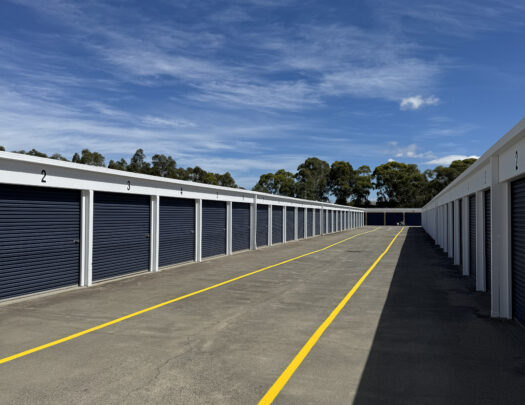
Troon Self Storage offers secure personal storage in Melbourne, with locations in Dandenong South and Altona North. Units range from compact closets to full garages, with 24/7 access, CCTV monitoring and secure key pass entry, so you can swap gear in and out as the seasons change.

Explore Troon’s storage units and find the right space for your seasonal gear.

Related articles