





How to Pack Furniture for Storage in Altona (Step-by-Step Guide)

Learn how to pack furniture for storage in Altona with this step-by-step guide, including tips to protect wood, upholstery, and fragile items. Discover the best ways to save space, prevent damage, and keep your furniture in excellent condition while in storage.
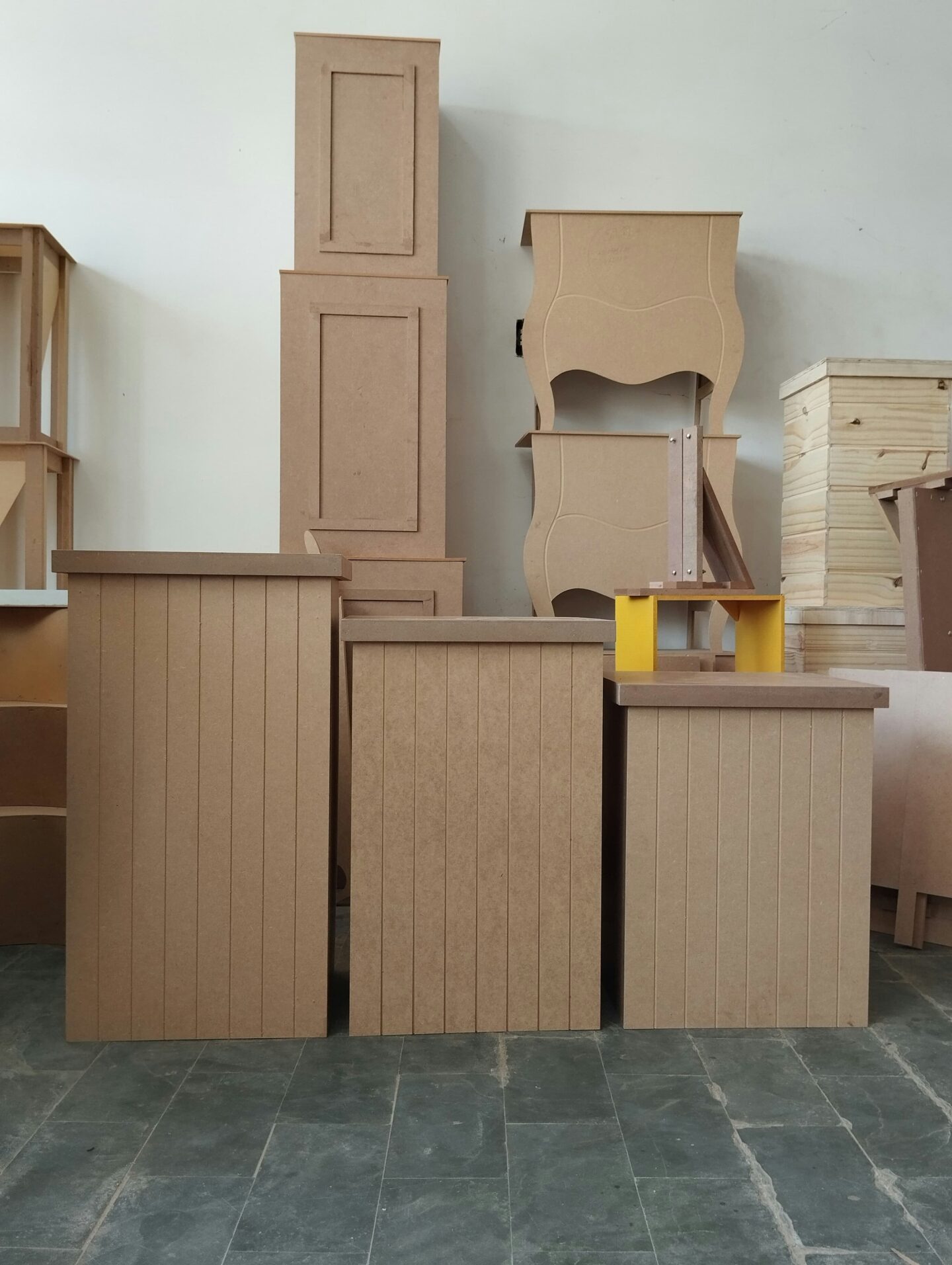
Furniture packing for storage

Whether you are moving house, downsizing, renovating, or simply creating extra space at home, knowing how to properly prepare and pack your belongings can make a major difference. Poor packing techniques can lead to scratches, mould, moisture damage, and unnecessary wear over time.

This step-by-step guide explains how to pack and protect your items for safe and reliable furniture storage that Altona residents can trust, while helping you maximise storage space and reduce the risk of damage during both short and long-term storage.

In this article

Step 1: How do you clean and prepare furniture for storage?

One of the most important parts of preparing furniture for storage is ensuring every item is properly cleaned before it enters the storage unit.

Dust, dirt, moisture, and food residue can all contribute to mould, odours, or pest issues over time. Before placing items into our storage units in Altona, make sure you:

  • Clean furniture before storage using suitable cleaning products
  • Dry all surfaces completely for effective moisture protection
  • Empty drawers, cupboards, and shelves
  • Use labelled storage boxes for loose accessories or hardware
  • Create a simple storage preparation checklist to stay organised

This is particularly important for wooden furniture, fabric couches, mattresses, and other fragile furniture items that may absorb moisture during storage.

Step 2: Should you disassemble furniture before putting it in storage?

In most cases, yes. It is highly recommended to disassemble furniture for storage wherever possible.

Removing table legs, bed frames, shelves, and detachable parts helps:

  • Avoid scratches and dents
  • Make furniture easier to transport
  • Improve stacking furniture safely
  • Maximise storage space inside your unit

Place screws and fittings into clearly labelled bags and tape them securely to the relevant furniture item. This can save significant time when unpacking later.

For many people using furniture moving and storage services, disassembling bulky furniture also helps reduce the risk of damage during transport.

Step 3: What is the best way to wrap furniture for storage?

Using the right secure packing materials is essential for effective furniture protection during storage.

To properly protect your belongings:

  • Use bubble wrap and furniture blankets on delicate surfaces
  • Cover timber furniture to prevent mould and warping
  • Wrap glass components separately
  • Avoid wrapping furniture directly in plastic for extended periods, as this can trap moisture
  • Use breathable covers where possible for proper ventilation

For both short-term furniture storage and long-term furniture storage, wrapping with quality materials can help protect against dust and pest prevention issues while protecting your furniture properly and reducing the likelihood of accidental damage.

Step 4: How should you pack furniture into a storage unit safely?

Packing your unit correctly is just as important as wrapping your furniture.

When organising your storage unit, following these general guidelines can help maximise space and reduce the risk of damage:

  • Place heavier items at the bottom
  • Keep fragile furniture items upright and secure
  • Leave small walkways for accessibility
  • Avoid overstacking boxes
  • Position frequently used items near the front

If you are searching for reliable storage in West Melbourne, choosing a clean and secure facility with easy access like Troon’s Altona storage facility, can also make ongoing organisation much easier.

Careful placement is one of the best ways of protecting furniture in storage while ensuring your belongings remain accessible throughout the storage period.

Step 5: How do you protect furniture in long-term storage in Altona?

For longer storage periods, ongoing protection becomes even more important.

When using self-storage facilities for extended periods:

  • Check items periodically if possible
  • Use moisture absorbers for additional moisture protection
  • Avoid placing furniture directly against walls
  • Elevate furniture slightly off the floor
  • Maintain airflow to support proper ventilation

These small steps can significantly reduce the risk of mould, pests, and long-term deterioration.

Choosing the right storage provider also plays a major role in protecting your belongings long-term. Troon Self Storage offers clean, secure, and easily accessible storage solutions designed to support both short and long-term furniture storage needs. 

Whether you need temporary moving house storage solutions or reliable long-term storage furniture options, properly packing your belongings helps keep them in excellent condition until you need them again.

Related articles